Hinge-Safe Composition: Why Standard Wallpapers Break on 7.6-Inch Foldables
How asymmetric framing, balanced negative space, and smart horizon placement keep unfolded wallpapers looking seamless across the center fold.
Key Takeaways
- Centered portraits and sharp vertical lines accentuate the center hinge crease.
- Rule-of-thirds placement keeps hero subjects cleanly on one side of the fold.
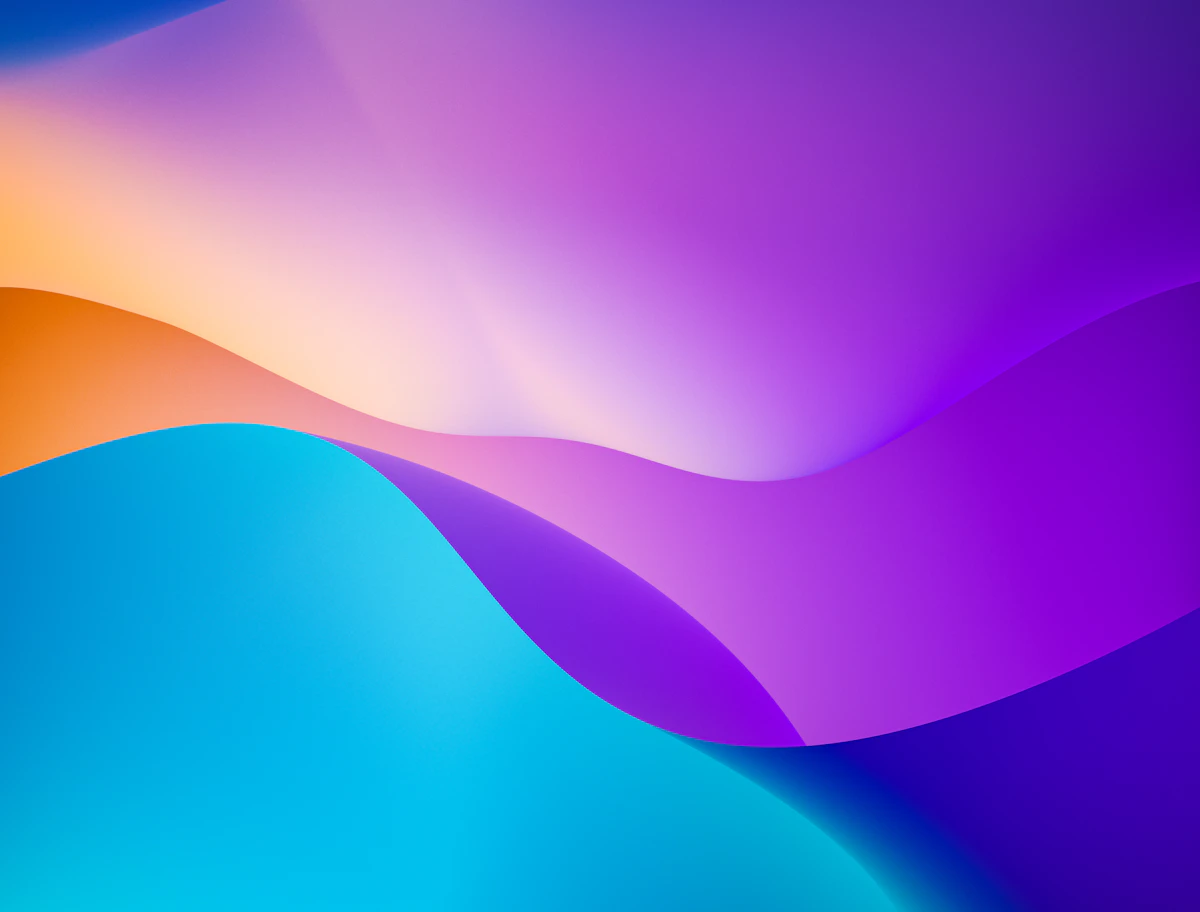
- Continuous atmospheric gradients help the left and right halves blend effortlessly.
The Center-Crease Problem in Foldable Photography
Every folding display has a central axis where the flexible OLED substrate bends. Even on ultra-flat modern hinges, light reflections at off-axis viewing angles subtly highlight the vertical midpoint.
If a wallpaper places a car headlight, a character's face, or sharp architectural symmetry directly at x = 50%, your eye is constantly drawn to the hinge seam. Hinge-safe design intentionally shifts focal anchors away from the exact centerline.
How Dual-Screen Continuity Works
The best Duo pairs tell a visual story between closed and open states. On the 5.4-inch Cover Screen, a tighter portrait crop highlights an evocative detail—such as a neon skyline reflection or a glowing planetary rim.
When unfolded onto the 2670×1878 Inner Canvas, the scene expands horizontally into a wide panoramic composition where soft gradients or open sky cross the center seam cleanly, letting the main subject breathe on the left or right third.
Choosing Wallpapers for Multitasking & Split View
Because a 7.6-inch foldable screen is frequently used for side-by-side Split View apps and multi-row widgets, overly busy central textures can compete with app labels. Minimalist horizons, liquid marbling, and cosmic fields keep your workspace calm and legible.